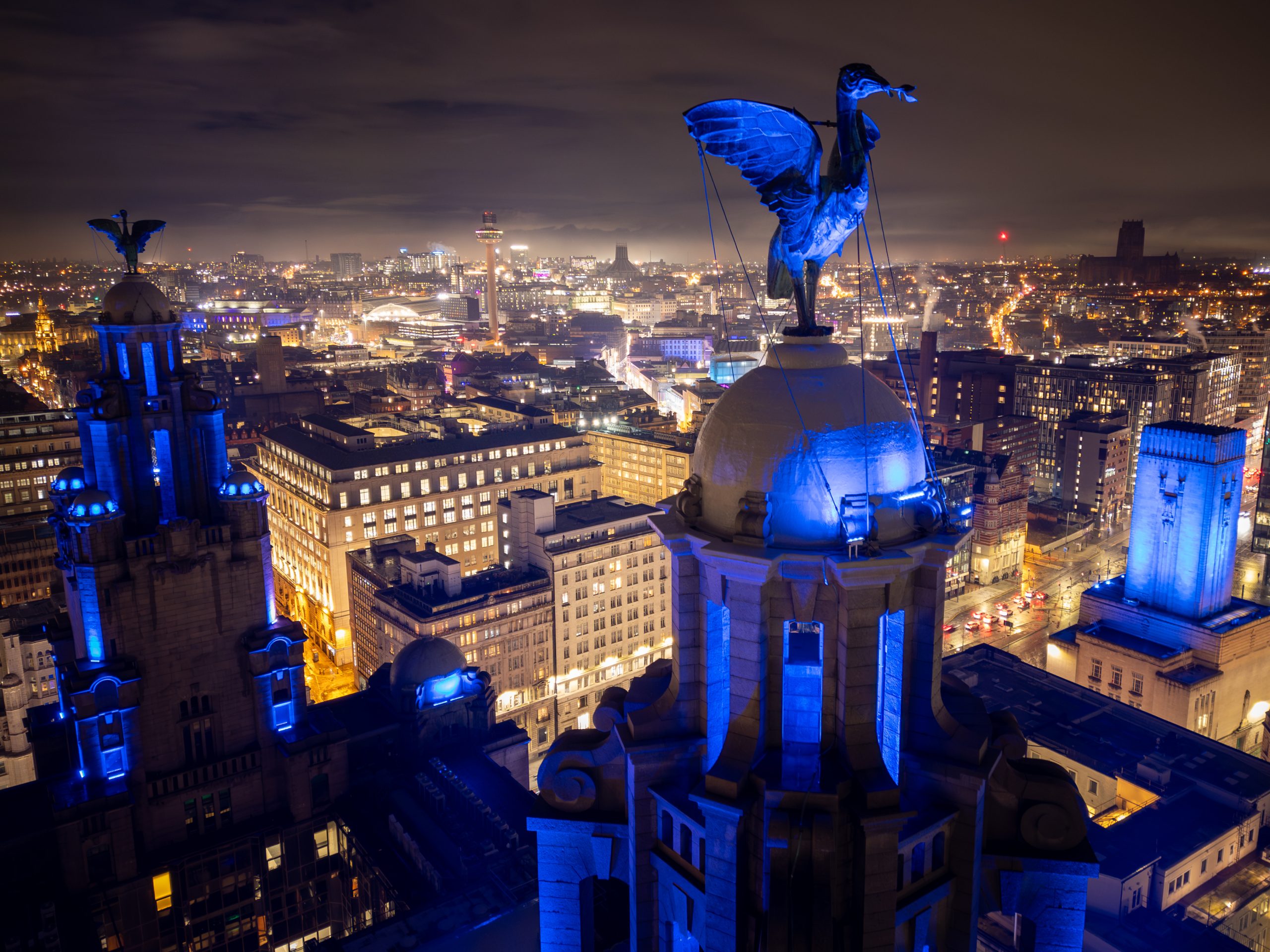

Liverpool waterfront illuminated blue
New Liverpool air quality research initiative identityA sign completely covered by black cloth
Under wrapsNow revealed
Liverpool · 10 December 2026

This December, Liverpool will see air quality differently.

For years, researchers, clinicians, councils, industry and communities have been building something together. On 10 December, we reveal what comes next.

Thursday 10 December10:00–15:00University of Liverpool Law Building
The story

It did not start with a launch.

It started with a much smaller question: can we understand air pollution in Liverpool at the scale people actually live?

That question pulled together environmental science, sensor engineering, child respiratory health, public health, transport, ports, schools and local government. The monitoring grew. The research grew. And the annual Roundtable became the room where those strands met.

What began as a way of sharing research gradually became a working network of people asking the same question from different directions: what would it take for Liverpool to understand air quality properly — and act on it?
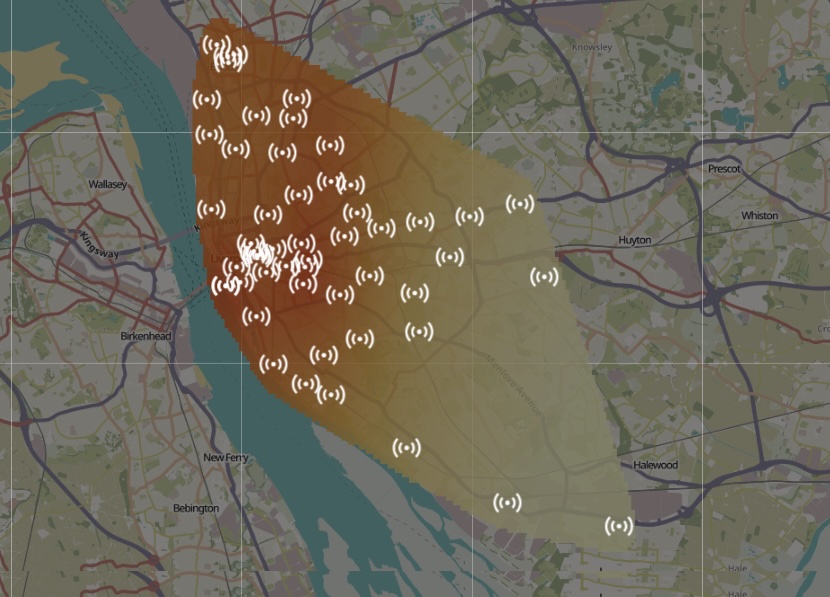
Historic Liverpool air quality sensor network map
The historic city monitoring network
The turning point
The network changed. The idea got bigger.

A third-party network of 53 sensors had shown what dense monitoring could reveal. It helped underpin research on spatial pollution, deprivation and child health.

Then the model changed. Long-term access to the data could no longer be sustained in the same way.

The easy option was to make the ambition smaller. Instead, it sparked a different question: why not build the capability ourselves?

The research grew with it

From measurements to a city evidence system.

The work did not simply add more monitors. The scientific question kept moving: from sensing, to exposure, to health, to inequality, to source interpretation, to deciding when dense data are strong enough to support action.

2019 → 2023

Build. Measure. Connect.

Early low-cost sensing, indoor–outdoor exposure work, COVID mobility and meteorology studies, then the first attempts to link city monitoring with paediatric respiratory activity.

19
2024 → 2026

Health. Inequality. Evidence.

Spatial analysis, deprivation, child health, schools, ports, housing and a new focus on making dense sensor evidence auditable rather than simply visually compelling.

26
Explore the research journey
Roundtable III · in the room

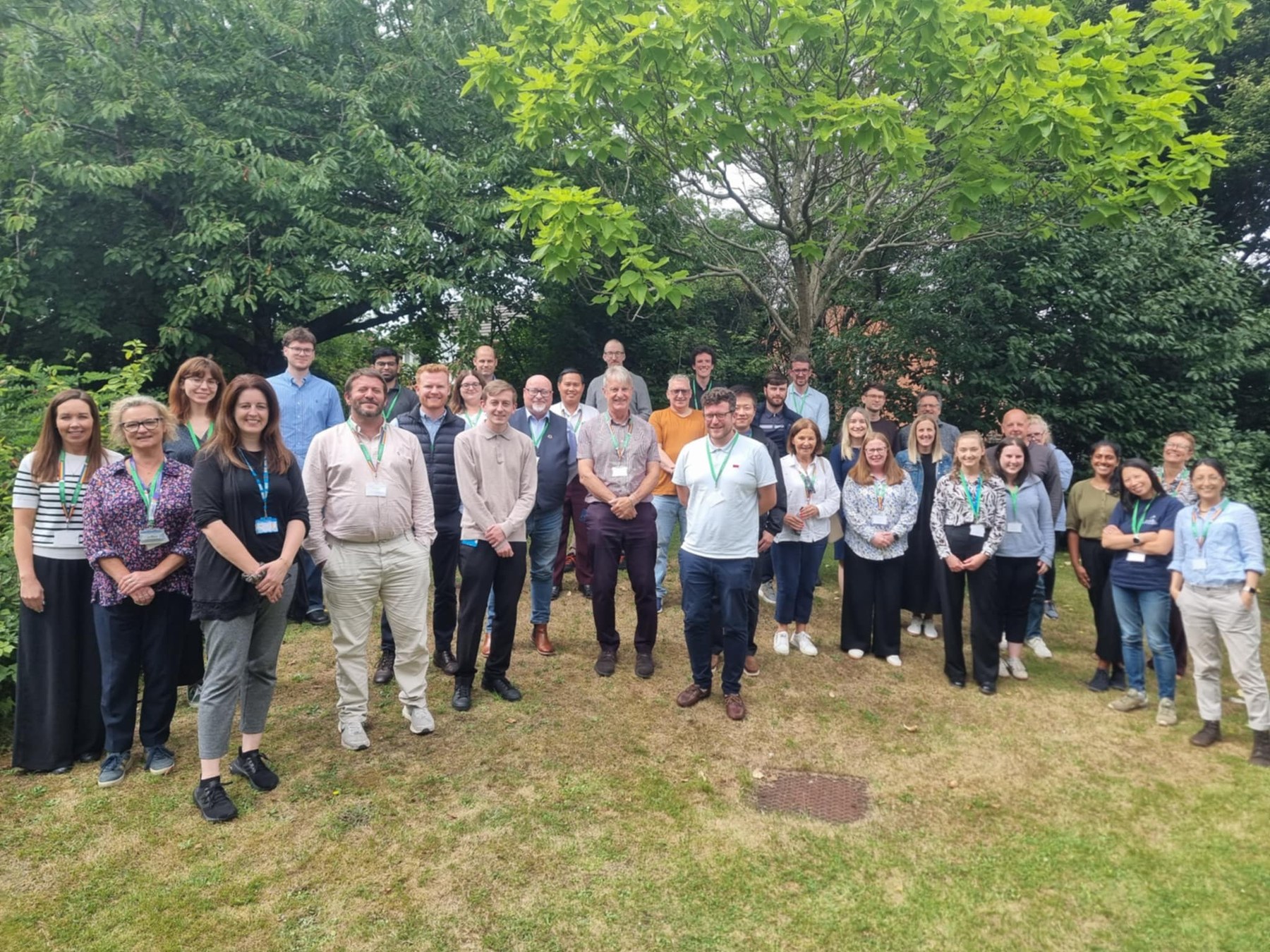
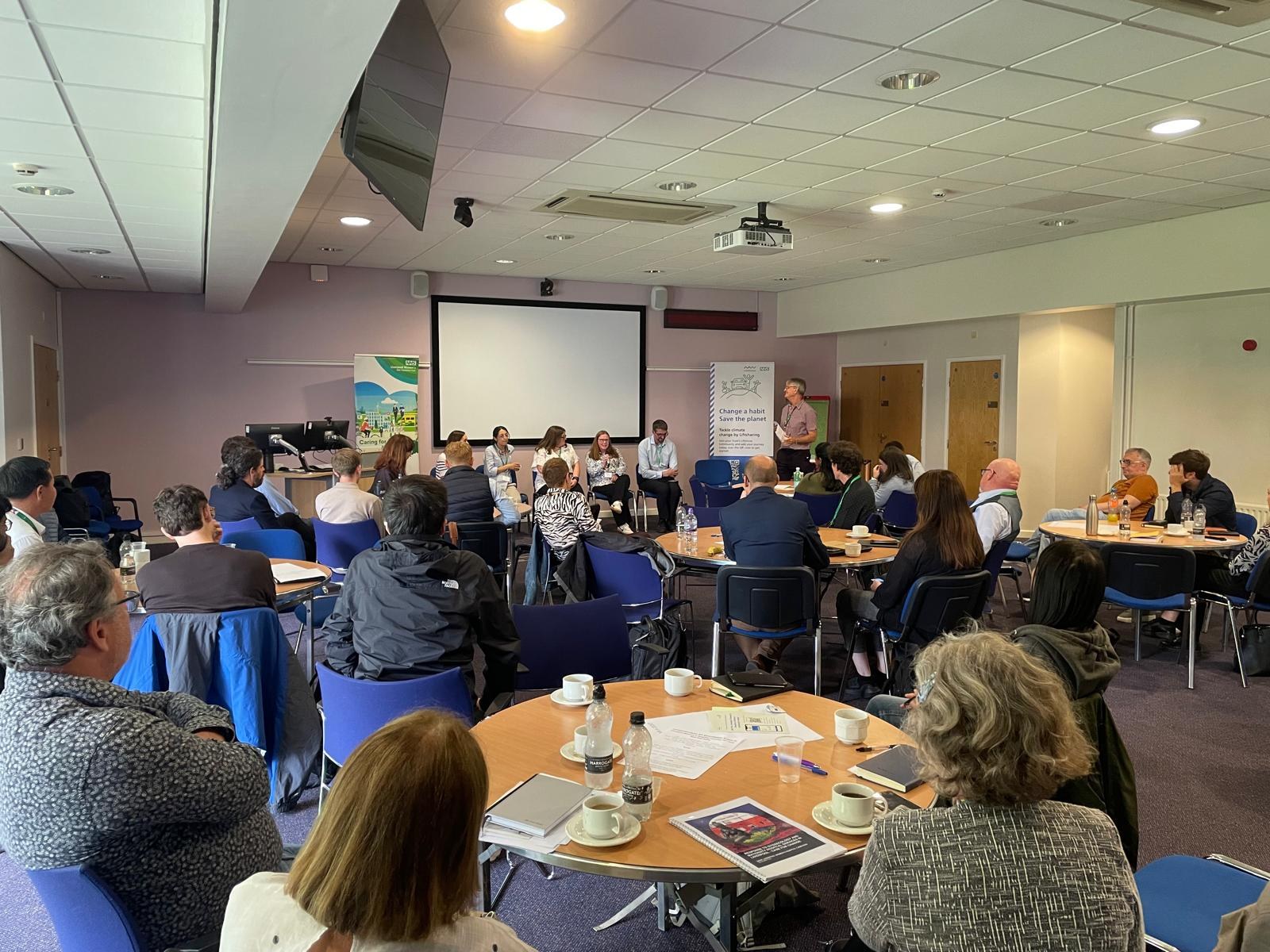
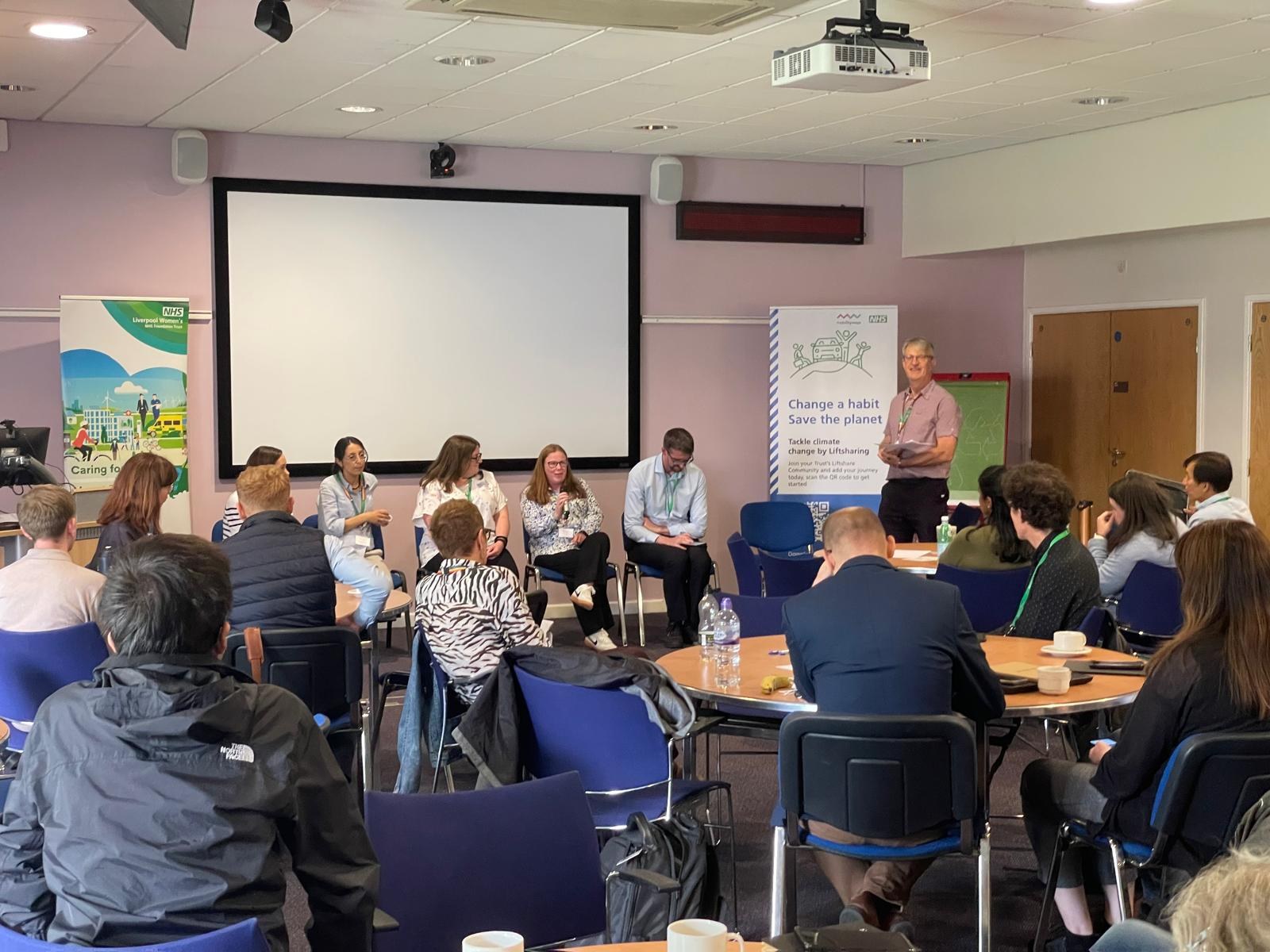
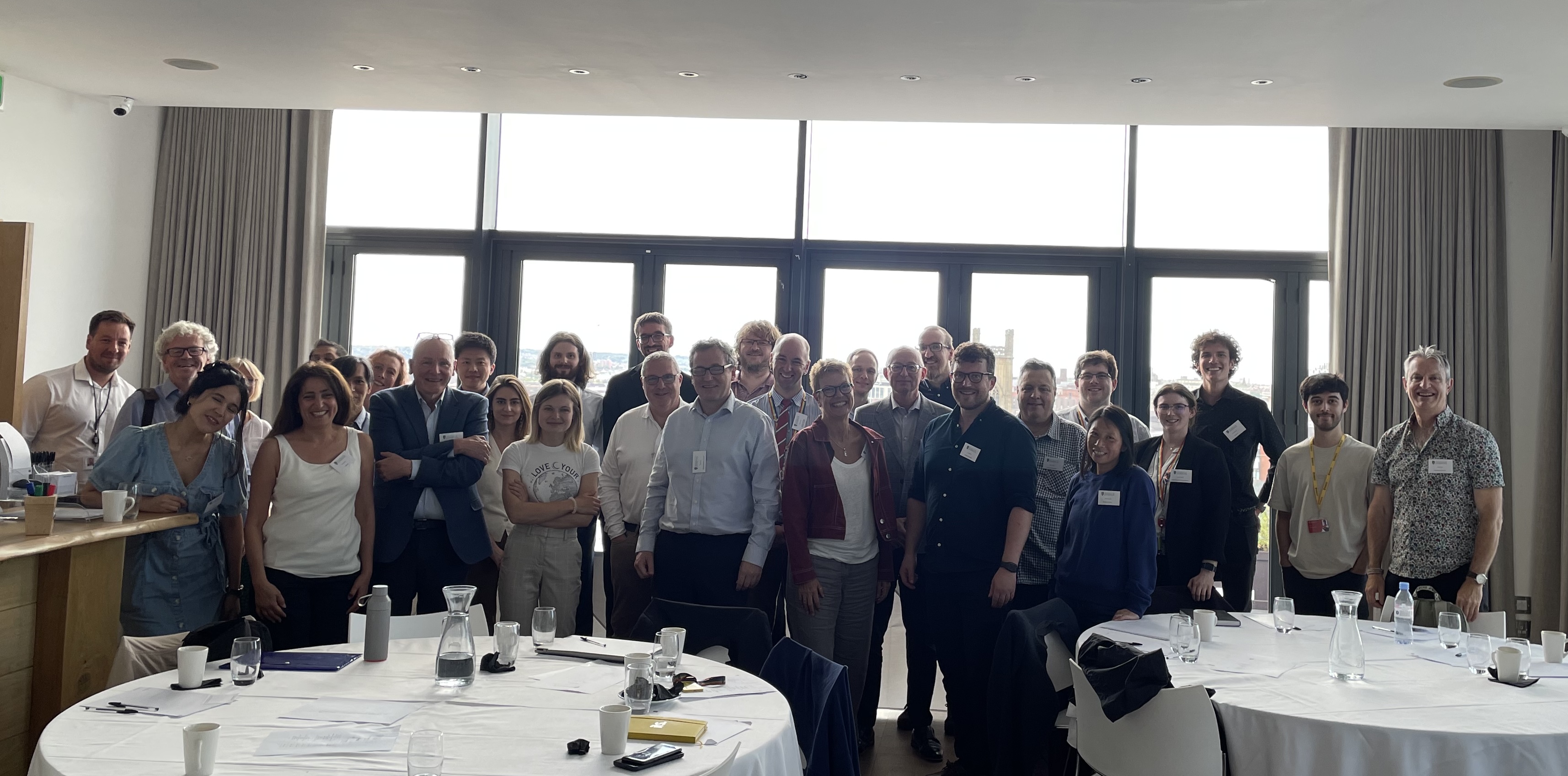
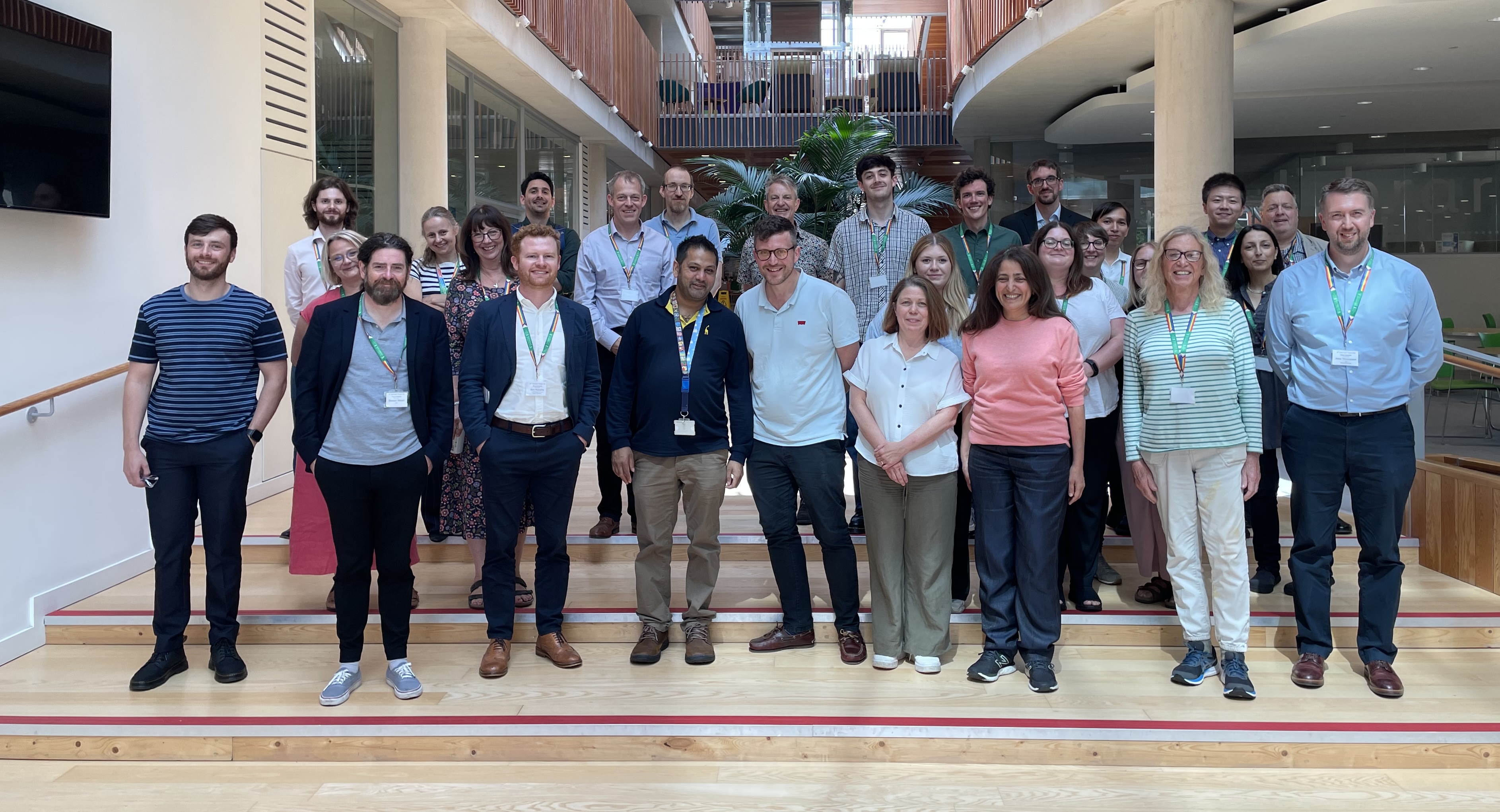
Liverpool Women’s Hospital, July 2025.

The third Roundtable widened the conversation again — women’s and children’s health, inequality, ventilation, domestic burning, ports, sustainability, public health and what a city should do next.

Panel discussion at Liverpool Women’s Hospital
Roundtable panel at Liverpool Women’s Hospital
Roundtable attendees outside Liverpool Women’s Hospital
See the full 2025 story + all photographs
Roundtable IV

On 10 December, we stop hinting.

The next chapter brings together the research, the partnerships and the lesson learned from losing a network we did not fully control.

10
DEC

Places are free. Registration is open now.

Register your place
DateThursday 10 December 2026
Time10:00–15:00
VenueUniversity of Liverpool Law Building
FormatShort evidence-led talks, lunch and networking, facilitated panels, and the reveal of a major new Liverpool air quality initiative.
Be there for the next chapter

This one is meant to be experienced in the room.

University of Liverpool Law Building · 10 December 2026 · 10:00–15:00

Register for Roundtable IV