The subject was no longer just air pollution. It was unequal exposure.
The third annual Roundtable brought 67 participants together at Liverpool Women’s Hospital — almost double the attendance described for the previous events — with healthcare, academia, industry, local government and community perspectives in the room.
The hospital setting sharpened the emphasis again. The event spotlighted maternal care and the intersection between pollution, women’s health, children’s health and inequality, while still keeping the city’s wider sources and systems in view.
The agenda ranged from legislation and clinical evidence to ventilation, domestic wood burning, portside logistics, hospital sustainability and regional health innovation. The panels then asked what local authorities, researchers, health organisations, industry and communities could actually do with that knowledge.
A day of discussion, challenge and connection.
These photographs are from the 2025 Roundtable at Liverpool Women’s Hospital. Rather than a formal conference layout, the day was designed around close discussion and Question Time-style panels.
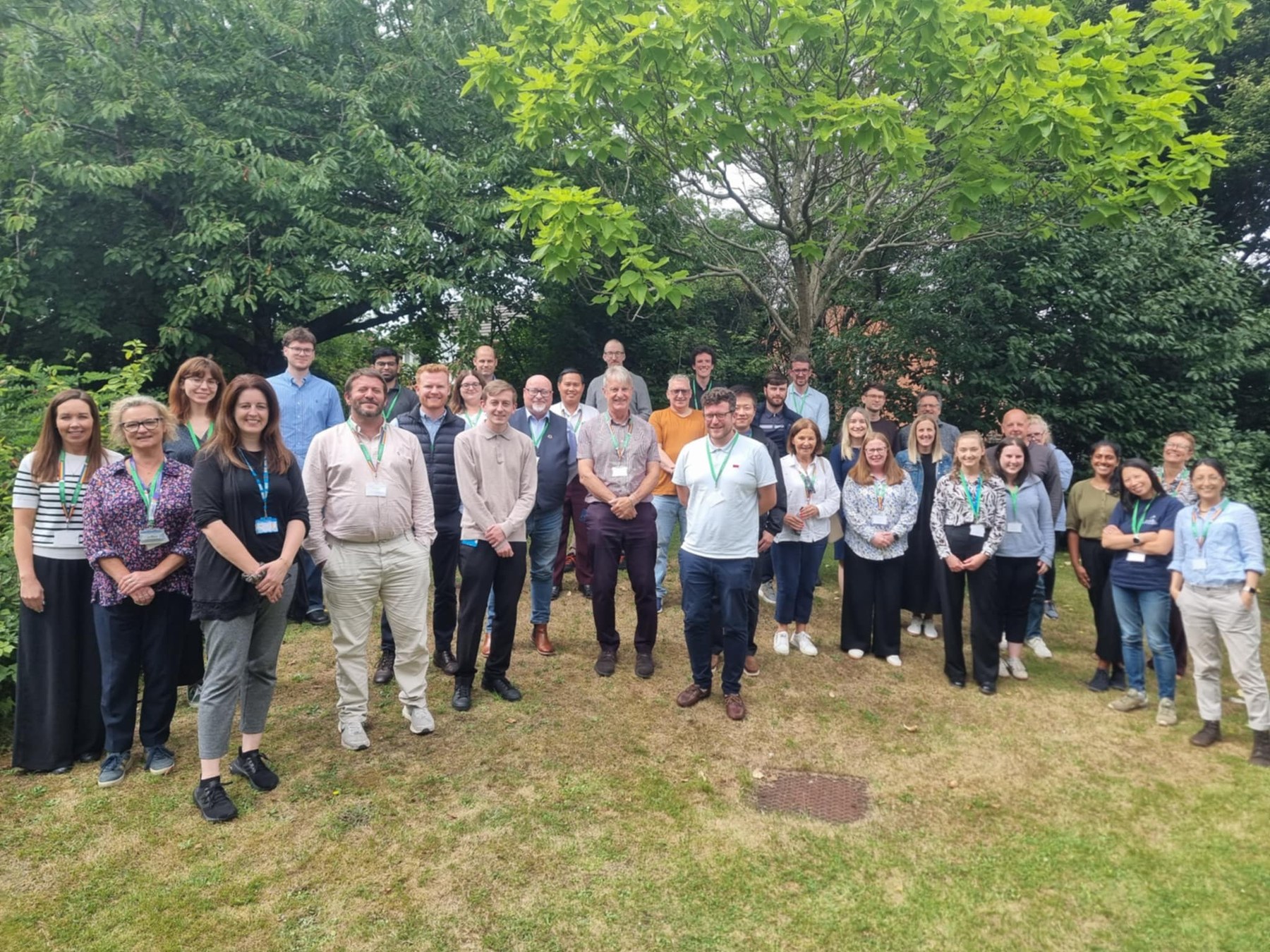
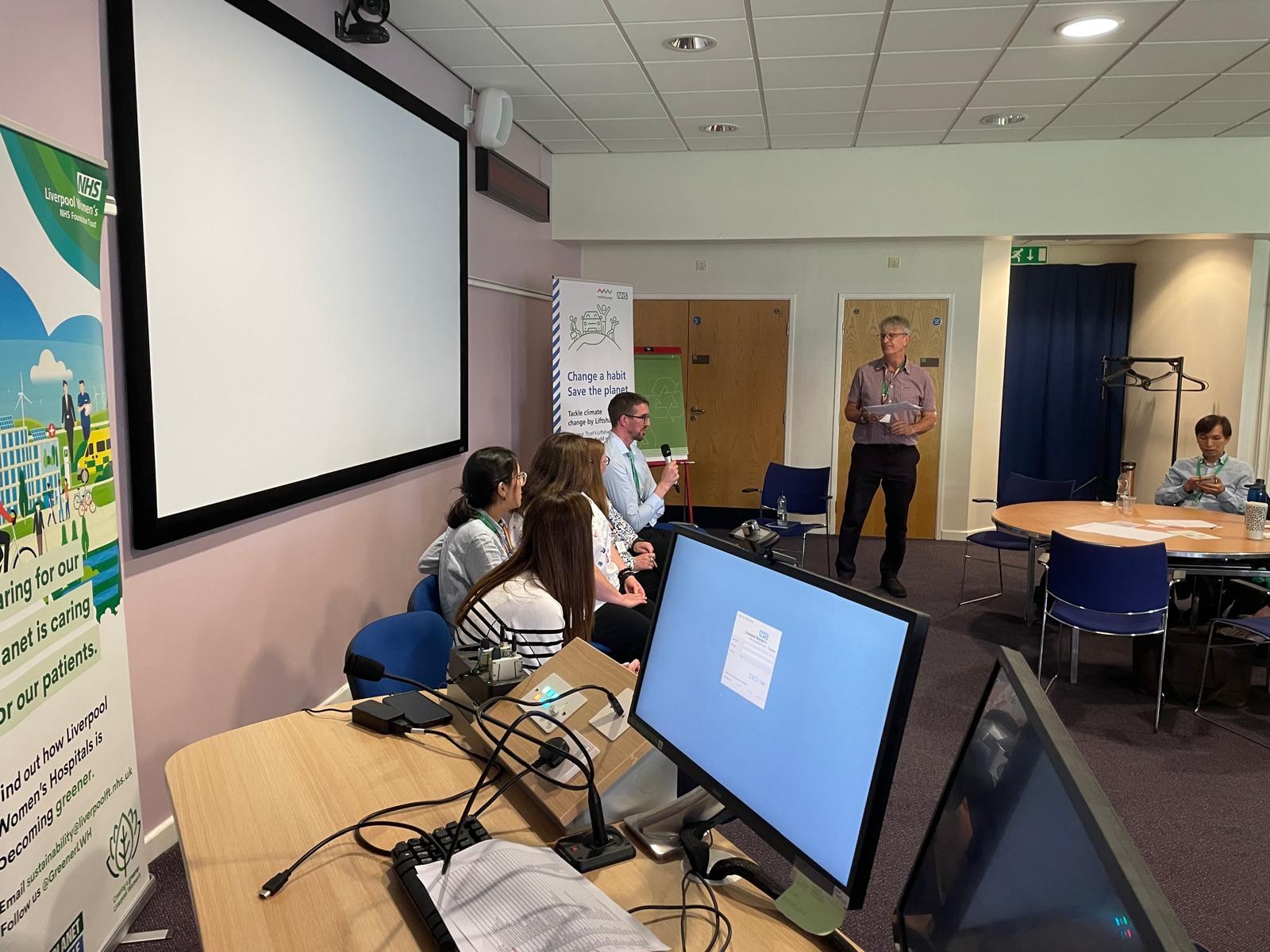
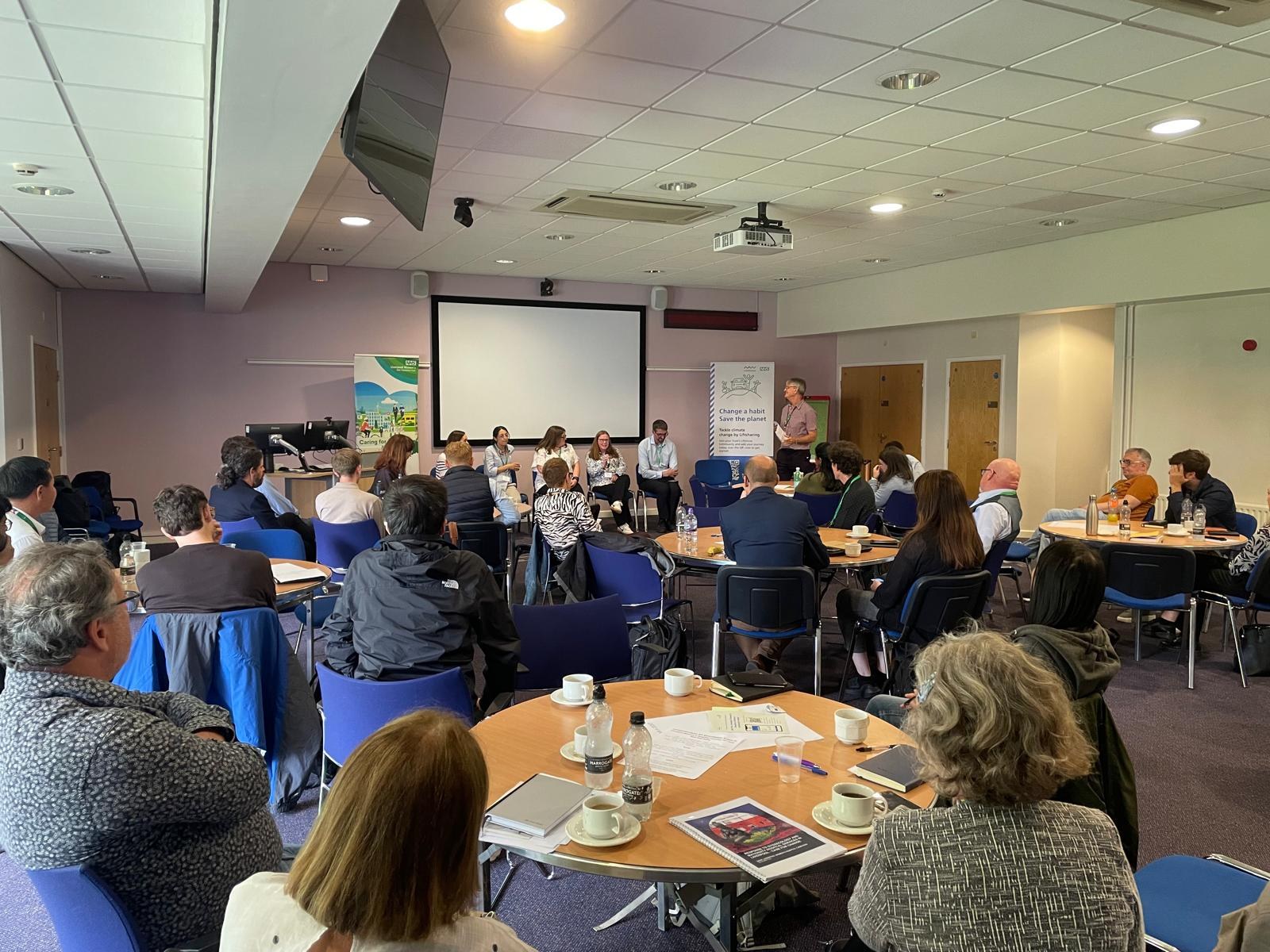
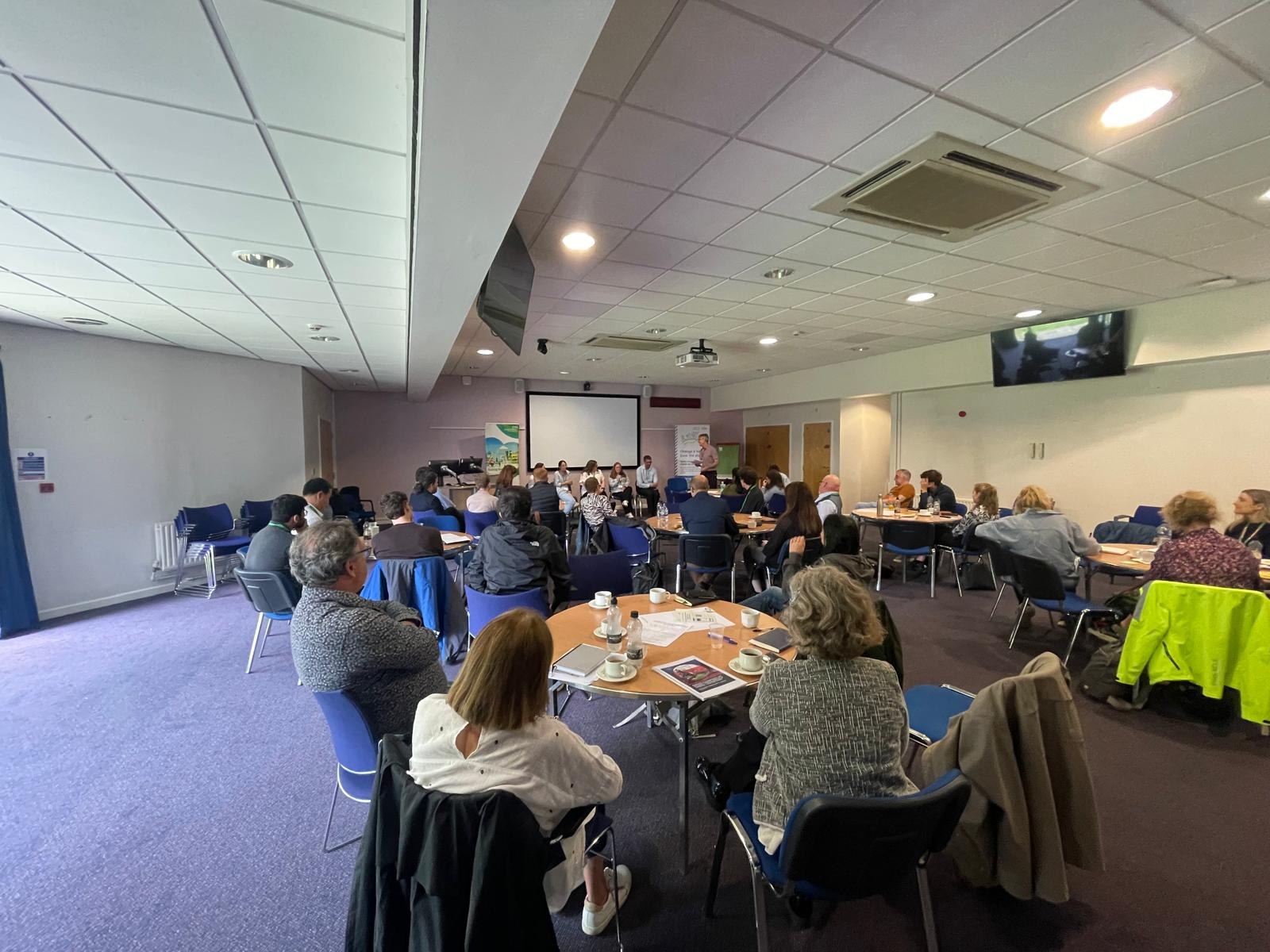
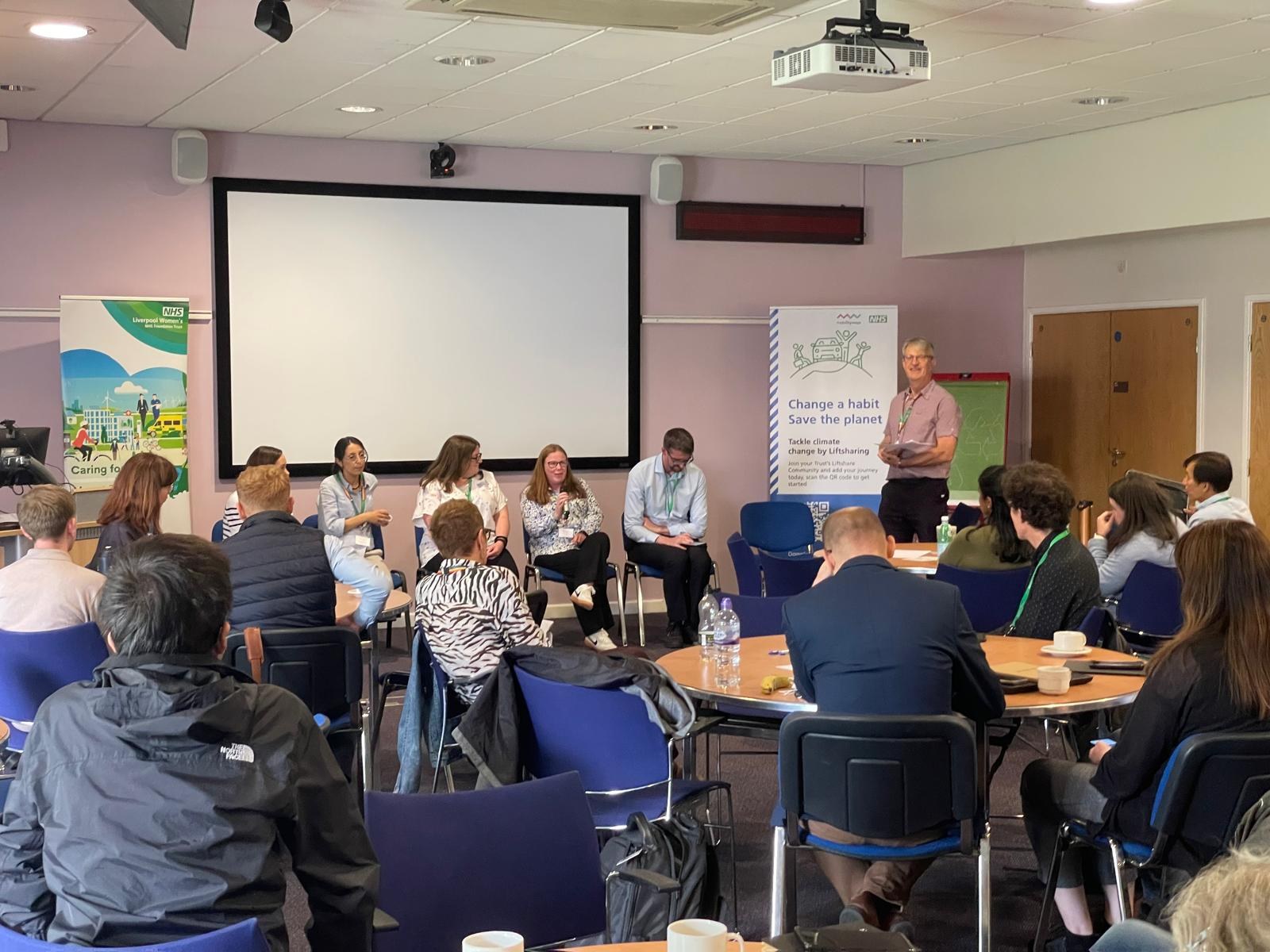
By 2025, Liverpool’s air quality activity was becoming a connected programme rather than a collection of projects. Monitoring, public health, hospitals, schools, community engagement, transport and research were increasingly feeding into the same conversation.
A day that moved from evidence to action.
From “whose problem?” to “what can we do next?”
LCRCA’s collective views
A local authority-focused discussion about where to prioritise action, how pollution and deprivation overlap, how residents are informed, the role of schools and communities, and how environmental health sits alongside economic development.
A view from inside Liverpool
Researchers, practitioners, charities and industry considered where their work could make the biggest difference and how new research or technology could reach communities rather than remain inside institutions.
Protecting vulnerable groups
Children, people with respiratory illness and communities facing higher pollution burdens remained central to the discussion about intervention and support.
Questions in the event archive asked councils how they identify priority areas, how residents in more polluted places can be supported, how schools and community groups fit into action, what role green space should play and how economic growth can be balanced with clean air.
The second panel pushed the same questions from the practitioner side: what research and technology can add, how healthcare and community organisations can work together, and which practical steps could make a difference now.
Liverpool was learning how to make invisible pollution visible.
Air quality became music.
A year of Liverpool air quality data was converted into a 365-note composition. Different instruments represented north, east, south and west Liverpool; cleaner periods became more harmonious, while more polluted periods became more atonal. The performance took place in the Cunard arrivals hall as waterfront landmarks were illuminated blue.
Environmental data moved closer to clinical questions.
The wider Liverpool programme continued to connect environmental monitoring with Alder Hey and child respiratory health, including work exploring how more localised pollution information might support public health and future warning systems.
The conversation widened again.
Maternal health, inequality, ports, ventilation, domestic combustion, hospitals and policy were treated as connected parts of the same problem rather than separate themes.
The question became one of scale.
The event’s own press release looked forward to a larger monitoring and collaboration programme. The public story now needed a way to bring research, health, local government, communities and technical capability together more permanently.
The network changed. The idea got bigger.
By 2025, Liverpool had strong evidence for why dense monitoring mattered. The research had begun to show coherent city-scale pollution patterns and how pollution, deprivation and paediatric respiratory health overlap.
But the monitoring itself still depended heavily on a third-party commercial network. When the access model changed and the historic feed stopped updating, that created a choice: accept less data, or rethink the whole capability.
The response was not to recreate the old arrangement. It was to ask whether Liverpool could own more of the chain itself — the monitor, calibration, communications, data platform and the route from measurement to decision.
That setback became the spark for the much bigger story coming in December.
The Women’s Hospital, through the room.
The archive is ready for the photographs from the Blair Bell Suite. Rather than a conventional gallery, these will become part of the narrative — speakers, questions, table discussions, panels and the people behind the partnerships.
The evidence
Morning speakers: health inequality, legislation, ventilation, wood burning, ports, healthcare sustainability and innovation.
The conversation
The afternoon panels and the mix of council, health, academic, industry and community voices around the tables.
Something built to last beyond the event itself.
Three years of Roundtables had created something more valuable than an annual audience: a working network across Liverpool.
Alongside it, the technical capability had been growing too. The city was moving towards denser monitoring, better quality assurance, more useful data, closer links to health, new ways of communicating evidence and a stronger ability to test interventions in the places where people actually live and work.
The next step is to bring those strands together in a way that is visible, permanent and useful to the city.
That is the story we are saving for 10 December.
10 December 2026 →